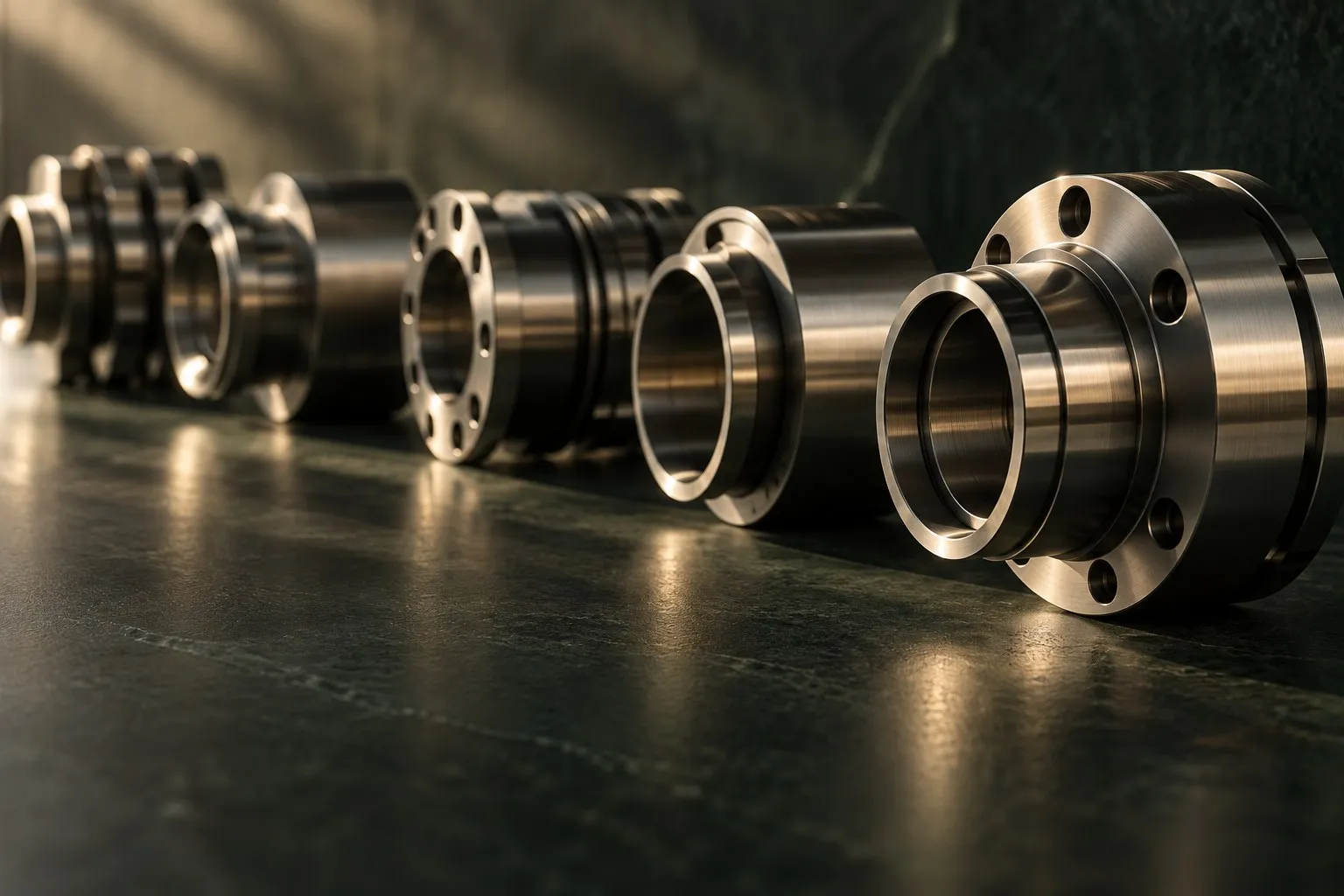
Manufacturing, Materials and Equipment
Costs of conversion and normal capacity
Note
Accounting nature of the sector
Materials are converted into products or equipment through production processes that may span several periods. The output may be inventory for sale, equipment used for years, or an asset built to a customer’s order. The issues therefore centre on conversion costs, production capacity, asset components and the timing of the transfer of control.
The cost of a product does not start with its price; it starts with what goes into it and what stays out.
Note
Key accounting considerations
- Costs of conversionMaterials, labour and production overheads make up the cost of inventory.
- Normal capacityThe basis for allocating fixed costs, not actual output in abnormal periods.
- Idle capacity and abnormal wasteTheir effect falls on the period, not on the cost of inventory.
- Equipment made to orderTransfer of control may precede or follow delivery, depending on the contract.
- Joint products and by-productsThe allocation basis and net realisable value precede the determination of the margin.
- Significant components of equipmentDifferent useful lives or patterns of consumption change depreciation.
- Impairment of production linesA line shutdown or a change in the market opens a recoverability test - IAS 2, IAS 36.
Note
Treatment under the standards
Materials are converted into products through production stages that carry fixed costs which do not vary with output, so any fall in demand has a magnified effect on margins. IAS 2 Inventories allocates fixed production overheads to the costs of conversion based on the normal capacity of the production facilities, recognises unallocated overheads as an expense in the period in which they are incurred, and does not permit inventories to be measured above net realisable value. Each part of an item of property, plant and equipment with a cost that is significant in relation to the total is depreciated separately (IAS 16), and proceeds from selling items produced before the asset is available for its intended use are recognised in profit or loss. A sustained fall in capacity utilisation calls for an impairment test of the cash-generating unit (IAS 36).
Note
Relevant services
Financial Statements and Reporting
A complete set of financial statements under the applicable framework.
Tax & Zakat
Documented returns, with treatments reviewed before execution.
Accounting and Financial Advisory
A documented technical opinion on matters requiring accounting judgement.
Audit & Assurance Services
An independent opinion on financial statements under International Standards on Auditing.
Every professional engagement begins with understanding the entity and its environment, followed by defining the scope of work and the applicable regulatory framework.
Request a professional consultation